
News / Insights
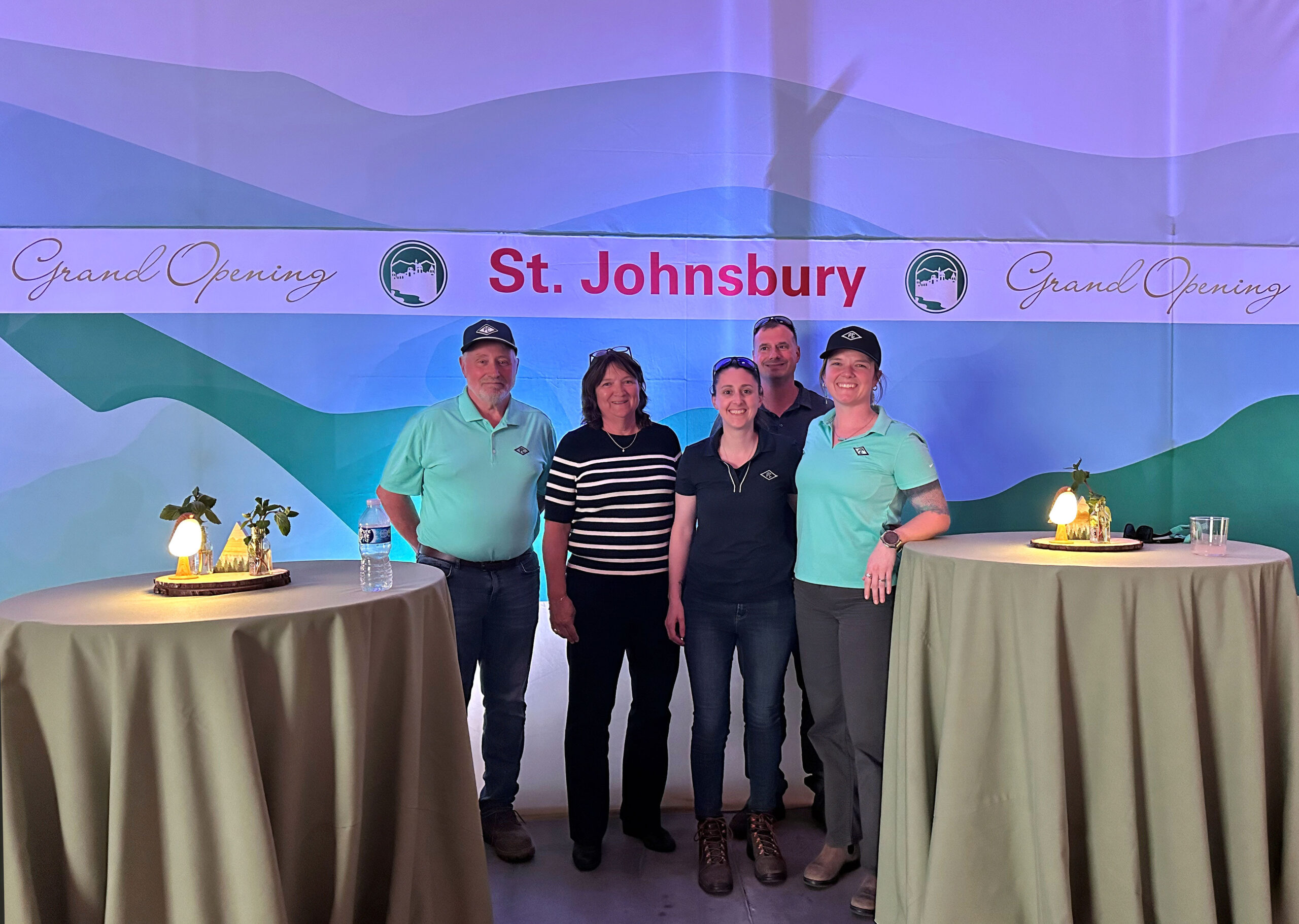
Not Your Ordinary Ribbon Cutting: Weidmann Electrical Technology Expansion Celebrated
Blog Posts
Press Releases

In the News
- CMAA New England Celebrates Projects, Professionals, and Students
- Hotel development: Despite market headwinds, developers are getting projects done in Maine
- MEREDA 2025 Notable Project: Shawn Walsh Hockey Center and Harold Alfond Sports Arena
- PC Construction Wins Building Renovation Award for UMaine Shawn Walsh Hockey Center & Alfond Arena
- Construction: Pressure, possibility, and the race to build a future
- Piscataway WRRF Bioenergy Facility Wins Build America Award
- PC Construction expands to Midtown Atlanta
- New Smyrna Beach Utilities Breaks Ground on Water Treatment Expansion
- At Saddleback’s The Nest, architecture opens up to nature
- Women Build event brings volunteers together to build duplex in St. Albans
- Women in Construction Week highlights growing opportunities in the trades
- New strategic partnerships for Great Northern Salmon’s land-based project in Maine
- Yesalonia Named VP of Operations, Advisor to CEO
- New Smyrna Beach breaks ground on water treatment plant expansion
- Portland Harbor Hotel to expand with reuse of neighboring office building
- Renovated Shawn Walsh Hockey Center and Alfond Arena opens at UMaine
- Collaborative delivery reimagines commissioning and startup
- Construction underway on legislative parking garage
- Gorham Students Complete Construction Immersion Program
- A team of passionate builders leading their industry: PC Construction
- Progressive Design-Build Delivers a High-Risk, High-Reward Bioenergy Facility
- Vermont Construction Academy to strengthen workforce pipeline
- Vermont Construction Academy opens its doors for official launch
- Wastewater Facility Designed for Fast-Growing Region
- PC Construction Welcomes Beeler to Business Development Team
- PC Construction to build new Martin’s Point Health Care facility